Fryer oil is exposed to heat, food particles, moisture, and repeated frying throughout the day. Without regular filtration, crumbs and other particles can remain in the oil, affecting frying performance and contributing to oil degradation.
So, how often should you filter fryer oil?
For most commercial kitchens, filtering fryer oil daily should be part of a regular oil-management routine. However, the ideal frequency can vary depending on what you fry, how heavily the fryer is used, and how much breading or food debris enters the oil.
Why Does Fryer Oil Need to Be Filtered?
Every time food is added to a fryer, small particles can break away and enter the oil. These particles can come from breading, flour, batter, seasoning, or the food itself.
As frying continues, these particles can accumulate in the oil and fryer. Keeping them in the oil can affect the overall condition of the frying environment.
Regular filtration helps remove unwanted food particles before they continue circulating through the fryer.
How Often Should You Filter Fryer Oil?
Filter Fryer Oil at Least Daily
For commercial foodservice operations, daily filtration is a practical starting point. Making filtration part of the daily closing or fryer-maintenance routine helps prevent food particles from accumulating over multiple days of frying.
For kitchens with high frying volumes, filtration may need to happen more frequently depending on the amount of debris entering the oil.
Consider What You Are Frying
Not every food introduces the same amount of particles into fryer oil. Foods with light breading may produce relatively little debris, while heavily breaded foods, flour coatings, and cornmeal-based coatings can introduce considerably more particles.
If you notice a significant amount of crumbs or sediment accumulating during production, this is a good indication that your filtration routine may need to be more frequent.
Consider Fryer Usage
A fryer used continuously throughout the day will generally require more attention than one used occasionally. Fryer usage is an important factor to consider in terms of oil filtration. High-volume operations should consider:
How many hours the fryer operates
How much food is being fried
How frequently food is added
How much breading enters the oil
How quickly crumbs accumulate
The goal is to establish a filtration schedule that matches the actual conditions of your kitchen.
What Happens When You Don't Filter Fryer Oil Regularly?
When food particles remain in frying oil, they continue to circulate through the fryer. Over time, accumulated debris can contribute to a less controlled frying environment.
Unfiltered oil can also make it more difficult to maintain consistent frying conditions.
Regular filtration is therefore not simply about making the oil look cleaner. It is part of maintaining a consistent fryer oil management program.
Don't Rely on Oil Color Alone
One common mistake is judging fryer oil condition only by its appearance.
Oil can change color for several reasons, including the type of food being fried and the amount of food particles present. Color alone does not provide a complete picture of oil condition.
A better approach is to consider multiple factors, including:
Food quality: Are fried foods maintaining the expected taste, appearance, and texture?
Food particles: Is there a noticeable amount of crumbs or sediment in the oil?
Frying conditions: Is the fryer maintaining the required temperature and performance?
Oil usage: How quickly is oil being consumed or discarded?
Oil testing: Where appropriate, use an oil-quality testing method to provide additional information about oil condition.
Use the Right Filtration Equipment
MirOil offers reusable Fryer Filter Bags designed to capture food particles during oil filtration. The bags can be rinsed and reused, making them suitable for regular commercial fryer oil filtration.
For operations using a filter machine, selecting a filter bag appropriate for the equipment and application can help make routine filtration more practical.
For kitchens without a dedicated filter machine, filter bags can also be used with suitable filtering equipment and containers.
FryPowder® and Fryer Oil Filtration
Filtration removes food particles from fryer oil, but very fine particles can be more difficult to capture.
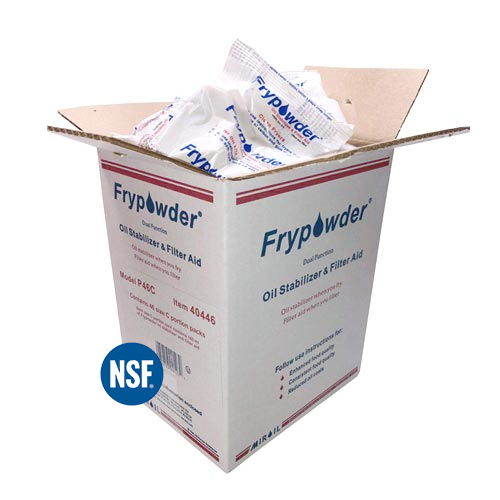
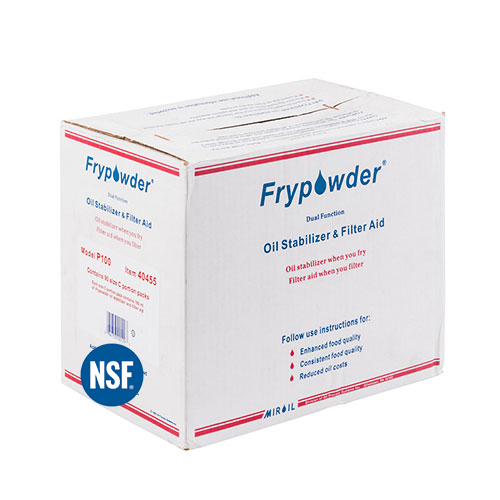
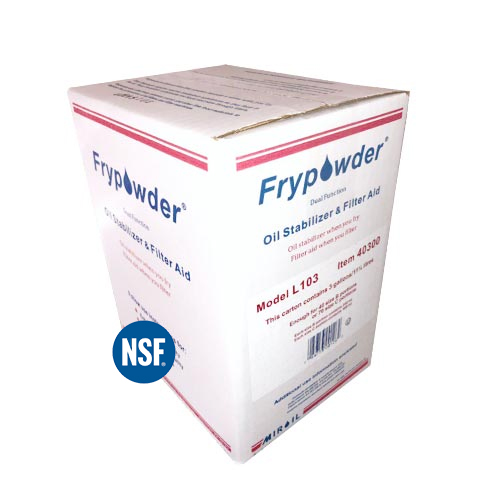
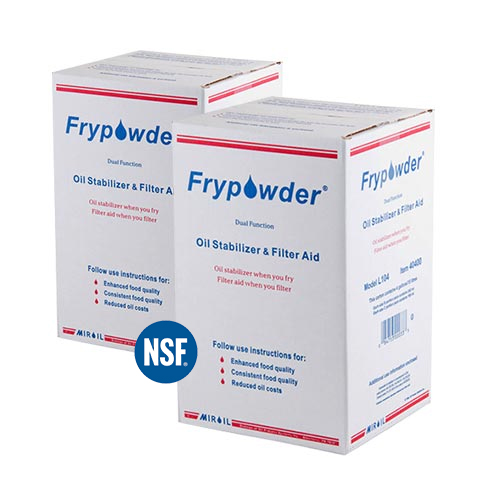
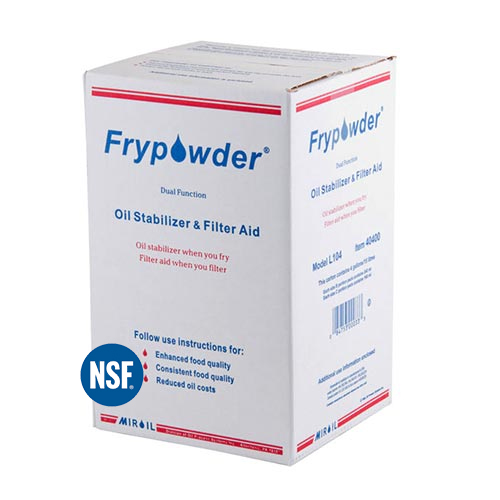
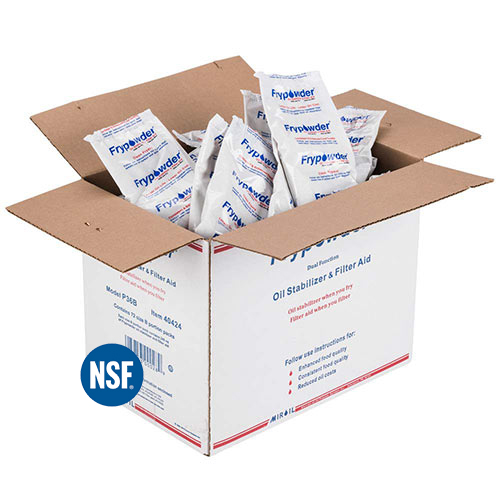
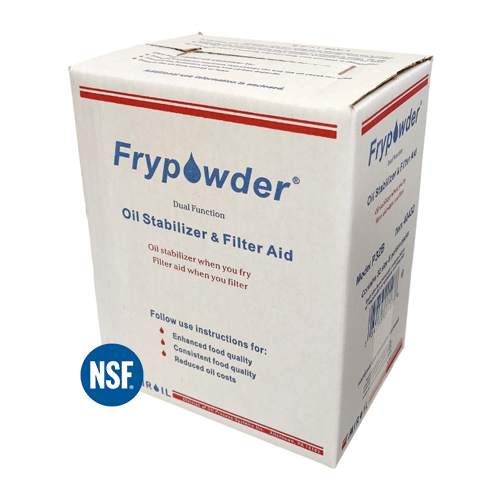
FryPowder® can be used as part of a fryer oil management routine to support the filtration process. It is designed as a fry oil stabilizer and filter aid and can work alongside filtration to help manage particles in the oil.
The important distinction is that filtration and filter aid serve complementary roles. The filter physically separates particles from the oil, while FryPowder® is used as part of the oil-management and filtration process.
The best filtration schedule is one your kitchen can consistently follow. It doesn’t have to be complicated or elaborate, as long as it works for you. A simple routine might include:
Monitor the fryer during production. Pay attention to the amount of crumbs and food particles entering the oil.
Filter regularly.Make daily filtration part of your standard fryer maintenance routine.
Adjust for heavy frying. If a fryer handles heavily breaded foods or operates for long periods, consider whether more frequent filtration is appropriate.
Clean the filtration equipment properly. Keep filter bags, pots, and other filtration components maintained according to their recommended cleaning procedures.
Monitor oil condition. Don’t rely on appearance alone. Consider food quality, frying performance, usage, and appropriate oil testing.
Keep records. Tracking filtration, oil additions, and oil replacement can help identify patterns and improve your oil-management program.
The Bottom Line
There isn’t one filtration schedule that works for every commercial kitchen. Daily filtration is a practical baseline, while high-volume operations or kitchens frying heavily breaded foods may need to filter more frequently.
The important thing is to make filtration a consistent part of fryer oil management rather than waiting until the oil visibly looks dirty.
Filter regularly. Manage oil proactively. Keep your frying operation consistent.
For commercial kitchens looking to improve their fryer oil management, MirOil offers fryer filter bags, filtration equipment, FryPowder®, FryLiquid®, and other oil-management solutions designed for foodservice operations.